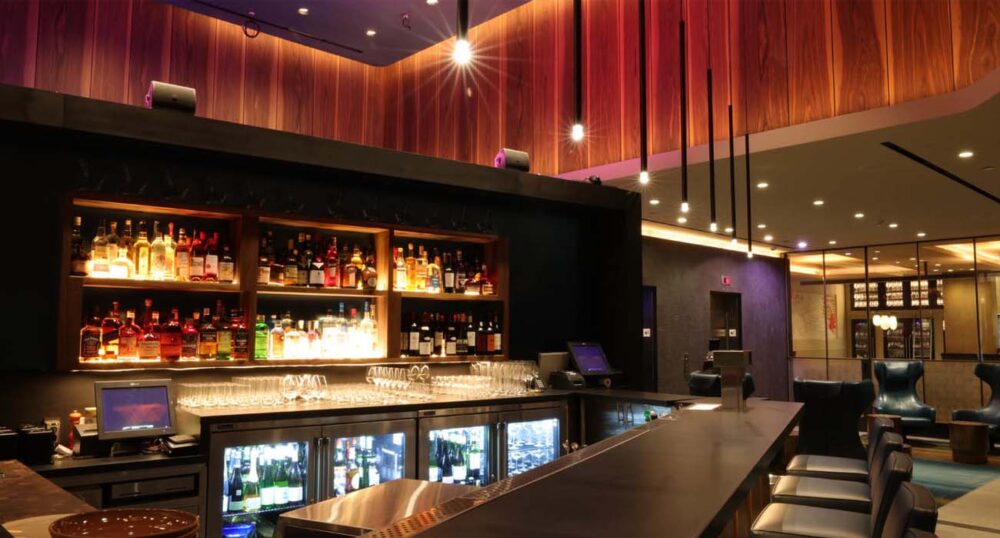
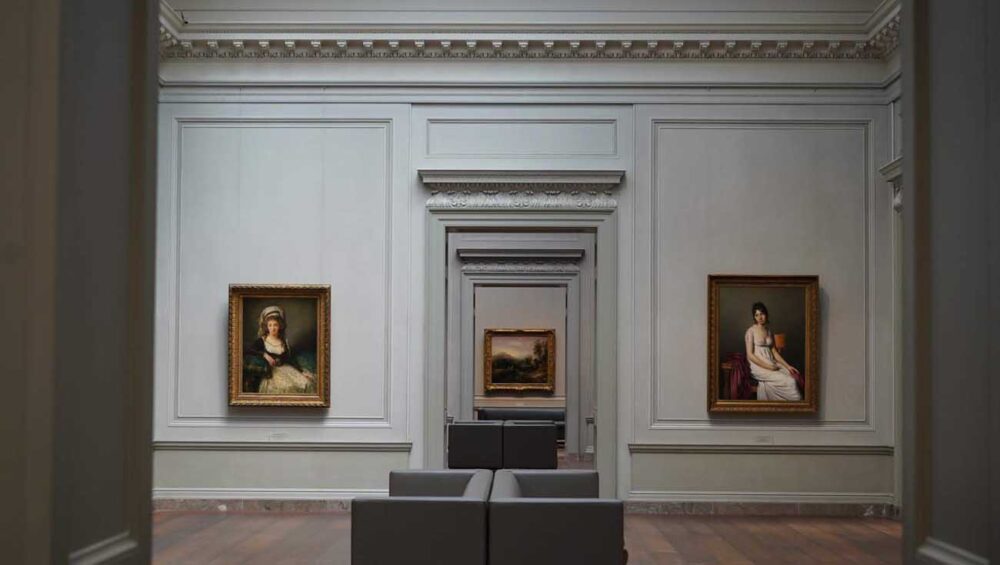
Article SummaryThe blog post below compares wall-washing and wall-grazing lighting techniques. It explains how fixture placement affects texture and uniformity. Both methods enhance architectural surfaces in different ways. Wall Washing vs. Wall Grazing: What’s the Difference? Wall washing and wall grazing are two lighting techniques that illuminate a vertical surface in opposite ways. For example,…
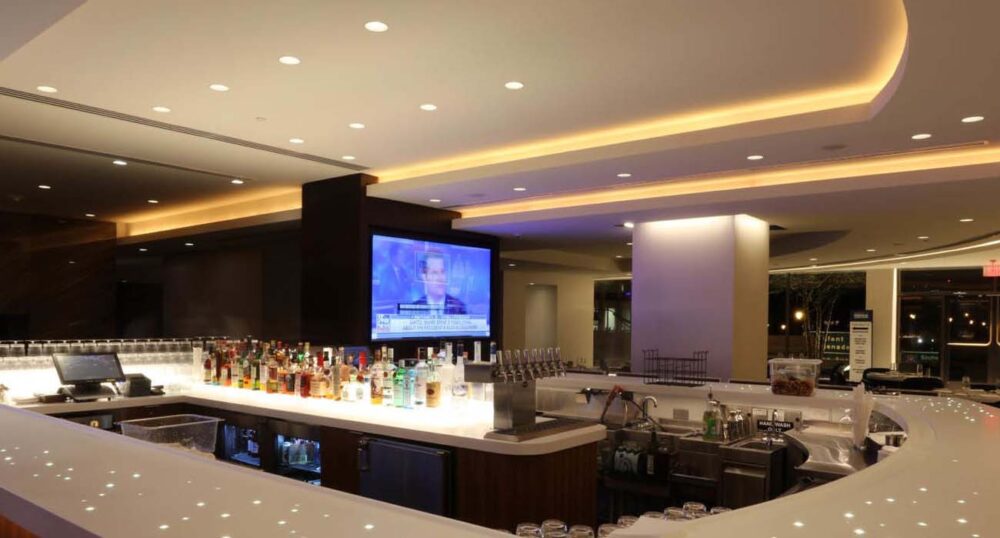
Article SummaryThe blog post below explains how dim-to-warm LED technology mimics incandescent lighting. It describes how color temperature shifts warmer as light levels decrease. This creates a cozy, relaxing atmosphere. How does Dim-to-Warm Lighting Work? Dim-to-warm lighting is an LED technology that shifts the color temperature to a warmer, more amber tone as the light…
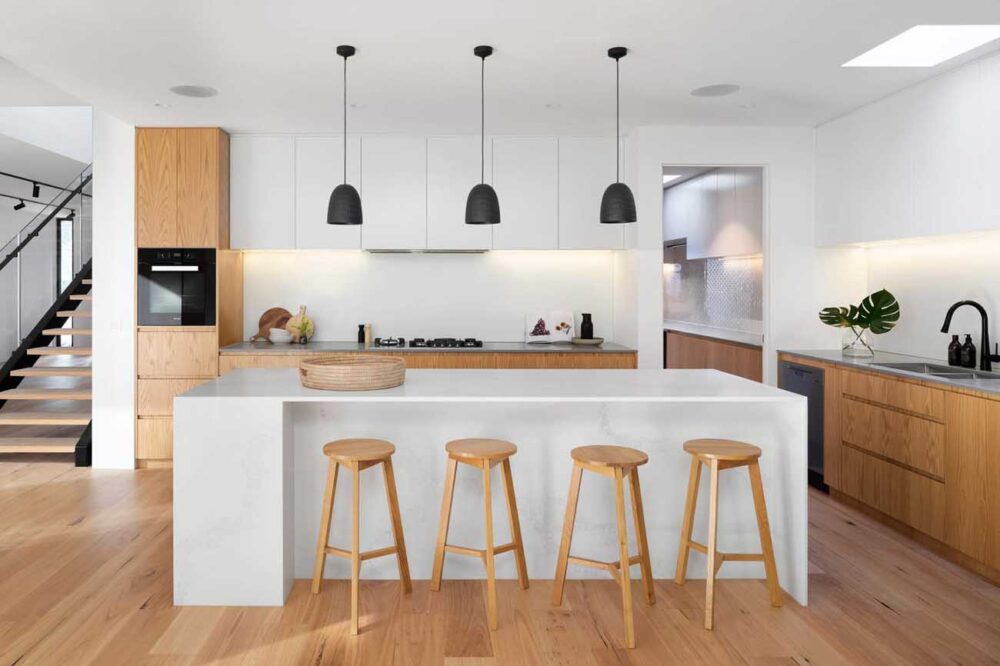
Article SummaryThe blog post below explains the importance of task lighting in kitchens. It focuses on under-cabinet LEDs, glare reduction, and dimming controls. Proper lighting improves safety, visibility, and ambiance. Goodbye to Shadows: Under Cabinet Task Lighting for Kitchen Counters When remodeling the kitchen next year, pay attention not only to the choice of appliances,…
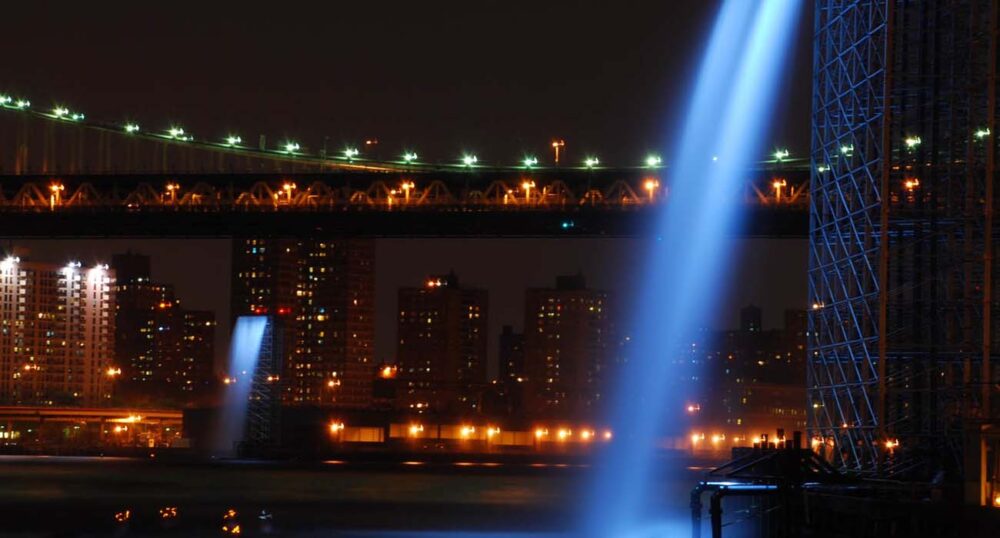
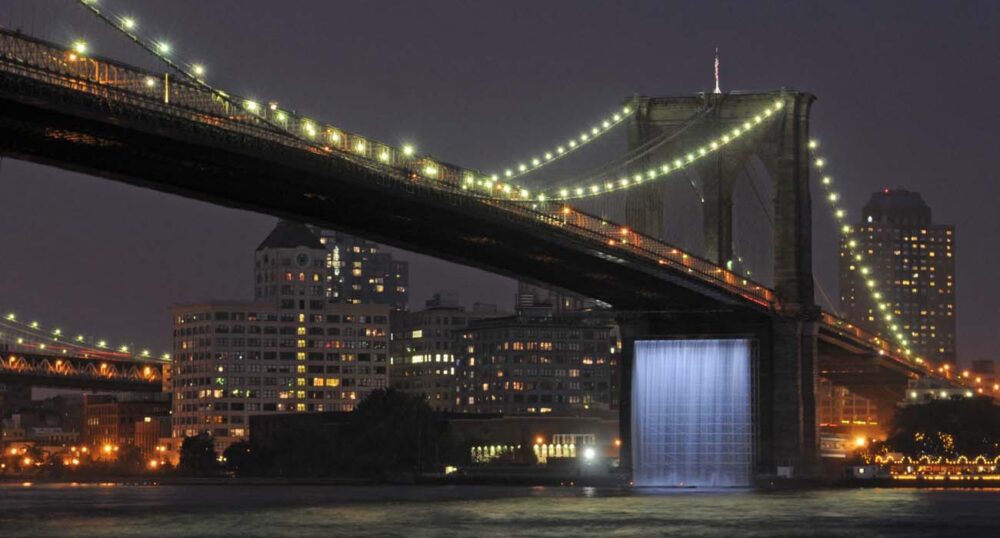
Article SummaryThe blog post below describes how lighting enhances fountains and water features. It highlights submersible LED fixtures and dynamic effects. Strategic placement creates dramatic and engaging visuals. Illuminating Fountains – The Art of Water and Light Fountains have been used for thousands of years to provide drinking water or serve as pleasing art pieces.…
Article Summary Accent lighting is focused light at least three times brighter than the ambient light in the space, which draws the viewer’s attention to the artwork. LED fixtures are a good choice for museums since they have high CRI, adjustable color temperature, dimming capabilities, and low UV emission. Wall washing, wall grazing, and adjustable…
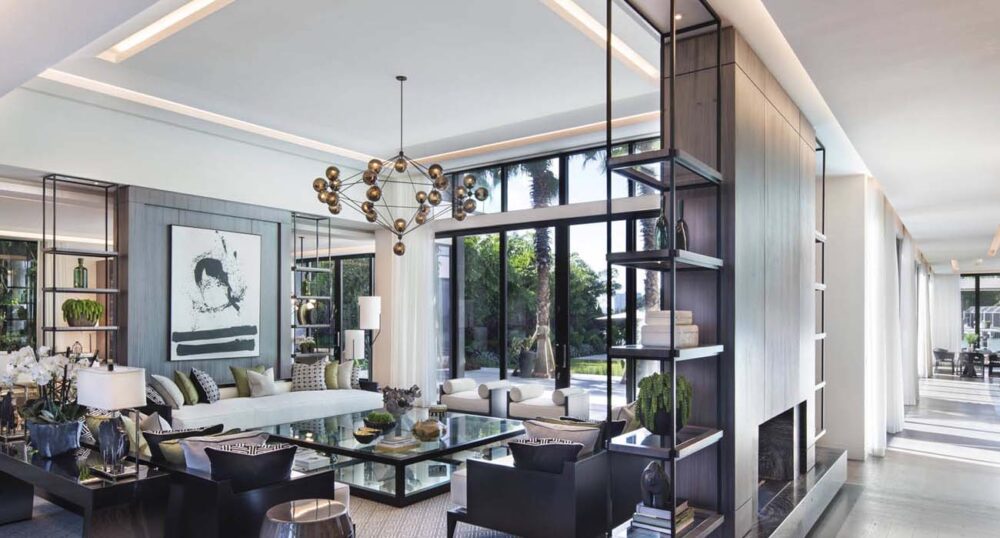
Article SummaryThe blog post below explains how layered lighting improves residential comfort and functionality. Ambient, task, and accent lighting each play a role. Together, they create inviting and personalized spaces. Layers of Light Help to Turn a Residential House into a Home Home. The word conjures images of comfort, security, and warmth. Home could be…
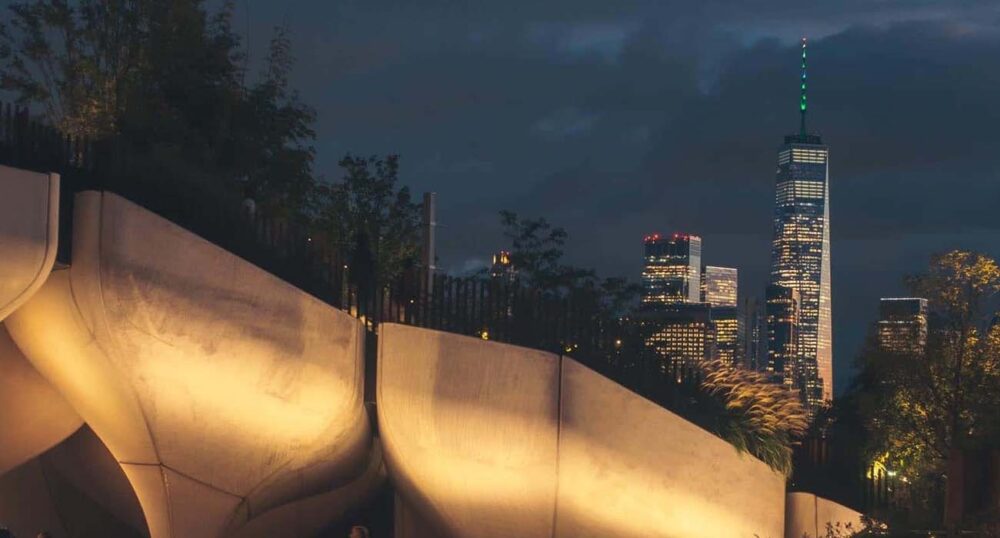
Article SummaryThe blog post below explains how lighting can transform urban infrastructure into landmarks. It highlights LED technology, dynamic controls, and durable fixture requirements. Proper design enhances safety and aesthetics. Using Light to Create a Striking Impact on Urban Infrastructure The most crucial function of urban infrastructure is to connect people with increased ease, speed,…
Article SummaryThe blog post below outlines key considerations for lighting statues and monuments. It covers fixture selection, controls, durability, and glare management. Thoughtful lighting enhances visual impact while preserving surroundings. Five Elements to Consider When Lighting Statues, Monuments, and Architectural Features The most crucial function of urban infrastructure is to connect people with increased ease,…
Article SummaryThe blog post below compares line voltage and low voltage lighting systems. It explains safety, efficiency, and installation differences. Each system is suited to specific applications and project needs. Lighting Design Considerations Between Low Voltage and Line Voltage Installations Today’s homes are filled with devices that require electricity to operate, but in the late…
Article SummaryThe blog post below explains how different light sources affect color perception. It highlights the importance of CRI and spectrum quality. Understanding these factors helps designers achieve accurate and appealing results. Natural and Artificial Light, and How We Perceive Color. The 10th Edition of the Illuminating Engineer Society Handbook states: “Light” is a reserved…
Our website uses cookies to enhance your browsing experience and analyze site traffic. By continuing to use our site, you consent to the use of cookies