
Article Summary
What is the Difference Between Cove Lighting & Soffit Lighting?
A Quick Review of Cove Lighting and Soffit Lighting
Cove and soffit lights are examples of architectural lighting, but they differ in placement and light direction. Cove lighting is typically indirect, highlighting the perimeter of a room by casting light upward onto the ceiling. In contrast, soffit lighting is usually directed downward, often illuminating a wall or a specific area below.
Comparing the differences of cove lighting and soffit:
- Soffit lighting is directional and creates illumination in the aimed area.
- Cove lighting is indirect, and the illumination is ambient and soft.
- Soffit lighting creates strong shadows and contrasts due to tighter distribution patterns.
- Cove lighting eliminates shadows and creates an environment of even illumination.
- Soffit lighting is a practical illumination source for task and accent lighting.
- Cove lighting is a decorative illumination source that adds depth and warmth to the space.
Diving Deeper Into Cove Lighting
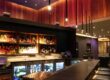
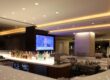
Cove lighting is an indirect lighting technique where the illumination source is directed up into a ceiling recessed area. The cove luminaire design has a manufactured ledge or an internal trough. This design feature provides a soft, indirect illumination on the wall or the ceiling surface. This ambient illumination reflects the light source, producing a well-diffused and soft, even light.
The location of cove lighting can create a soft ambient illumination and reduce glare and brightness when compared to directional source luminaires. Cove lighting also establishes an environment of controllable reflected illumination levels while reducing strong shadows and glare. The result is an environment with increased spaciousness and a calming atmosphere while enhancing architectural elements in the illuminated space. Cove lighting with an upward illumination creates a soft ceiling glow, while cove lighting creates a soft wall washing effect on a wall in a downward direction.
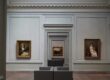
Cove lighting is optimized when designed into a space during preconstruction and installed during initial construction. Locating the correct location of these cove luminaires is essential to achieve the correct effect. Cove lighting luminaires illuminate crown moldings, ceiling designs and walls, this illumination draws the visual attention of the occupant(s). Cove lighting is a superior illumination design choice for retail, art galleries, and museums.
Fixtures designed for cove lighting applications are flexible in meeting design ideas by lighting specifiers and architects. Cove lighting that integrates RGB LED fixtures provides flexibility in establishing atmosphere and moods, assisting with the atmosphere in entertainment, hospitality, or retail venues.
Cove lighting in residences
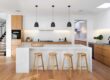
Installed in residential environments, cove lights are an excellent lighting source to create that needed relaxing atmosphere after a long day at work. Home theatres are an ideal application for cove lighting where subtle, indirect light is desired. Ceiling features like beams and tray ceilings are also popular locations for cove lights that add visual depth to the space. In kitchens, cove lighting can be located under countertops and above cabinets creating both ambient and accent lighting.
Commercial opportunities for cove lighting
In addition to creating a memorable space with lighting design, commercial spaces can improve the efficiency of employees by creating indirect lighting that is glare free which helps reduce eye fatigue and a more relaxed environment. Hospital use of cove lighting improves patient experiences by creating a calming and healing atmosphere. In art galleries and museums, the ability to control intensity and color temperature can enhance the participant’s visual acuity.
Cove lighting summary
Cove lighting is an adaptable and efficient lighting solution that improves the desired aesthetics and functionality for multiple environments. Specifiers and lighting practitioners can work with a variety of fixture styles when incorporating cove lighting into their projects.
Diving deeper into soffit lighting
Soffit lighting, unlike cove lighting, is a directional lighting medium that consists of recessed lighting, floodlights, and spotlights. A soffit is a horizontal architectural element that extends from a wall or ceiling. Soffit luminaires are mounted to the surface of the soffit or recessed into the soffit. Unlike the soft indirect lighting of the cove lighting, these luminaires create focused beams when aimed directly at illuminating a specific items or architectural elements in a space.
Floodlights used with a soffit feature deliver a wide illumination distribution, creating a bright ambient environment that meets general spaces for high visibility and for security. Spotlights have a narrower focused light distribution pattern and are used to illuminate specific objects, artwork, or architectural elements when installed in a soffit. Installation of a luminaire in a soffit is typically above the soffit plane, with a flush trim giving a clean, unassuming appearance. These recessed soffit fixtures create ambient, accent and wall washing illumination into the space based on the type of LED light sources and the trims optical options.
Author: Jim McCarthy LC, CLC, IESNA